Booklet and Program Printing.
Bring the content together in a program, booklet, catalog or manual. Send the page count, finished dimensions, quantity and whether readers need the pages to lie flat. Ask the shop to compare suitable binding and cover options before final file setup. Conference packages and exhibitor materials have separate pages for planning the broader job.
Request a quote. The shop will confirm options and timing.

Products and options to discuss.
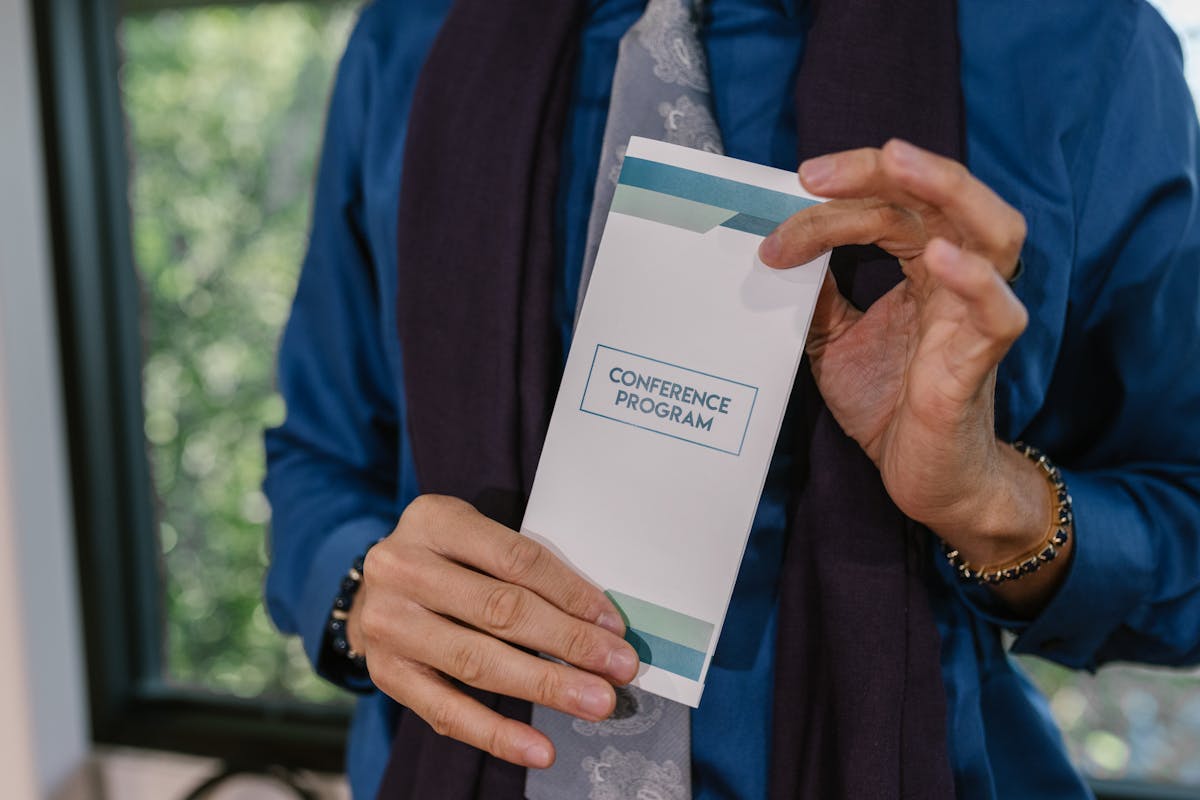
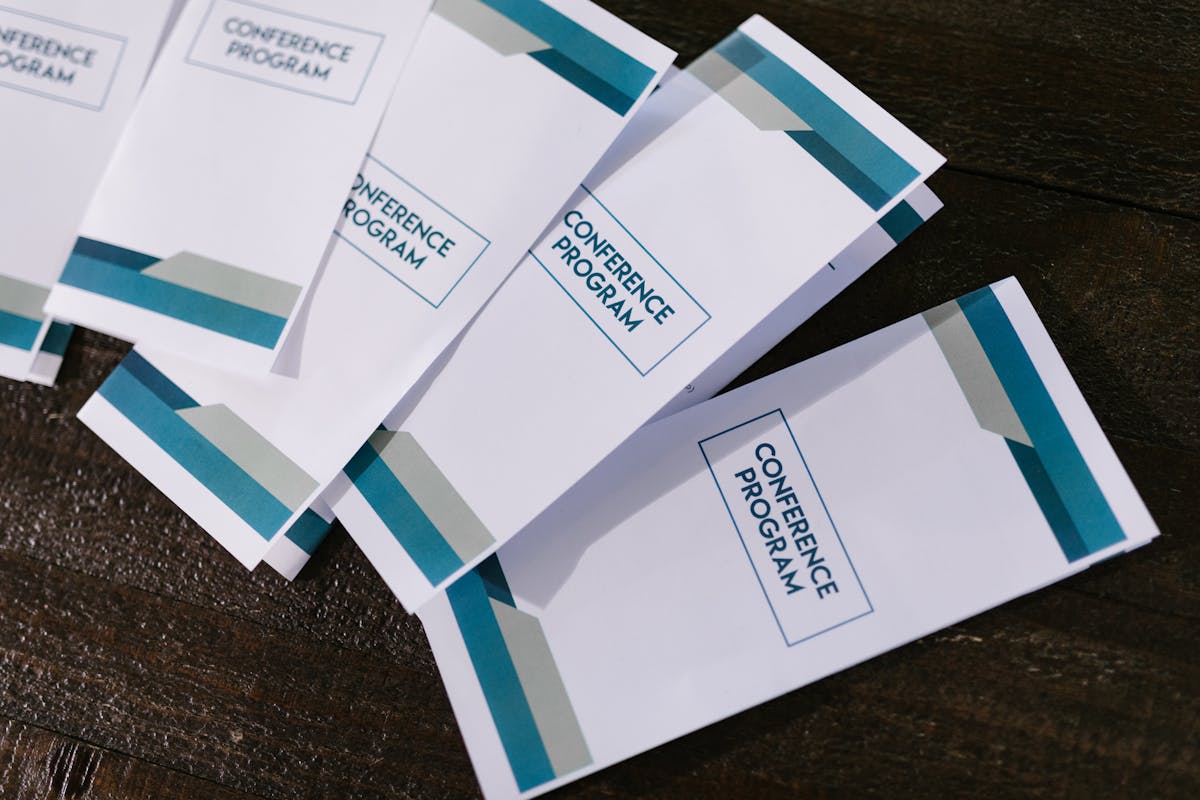
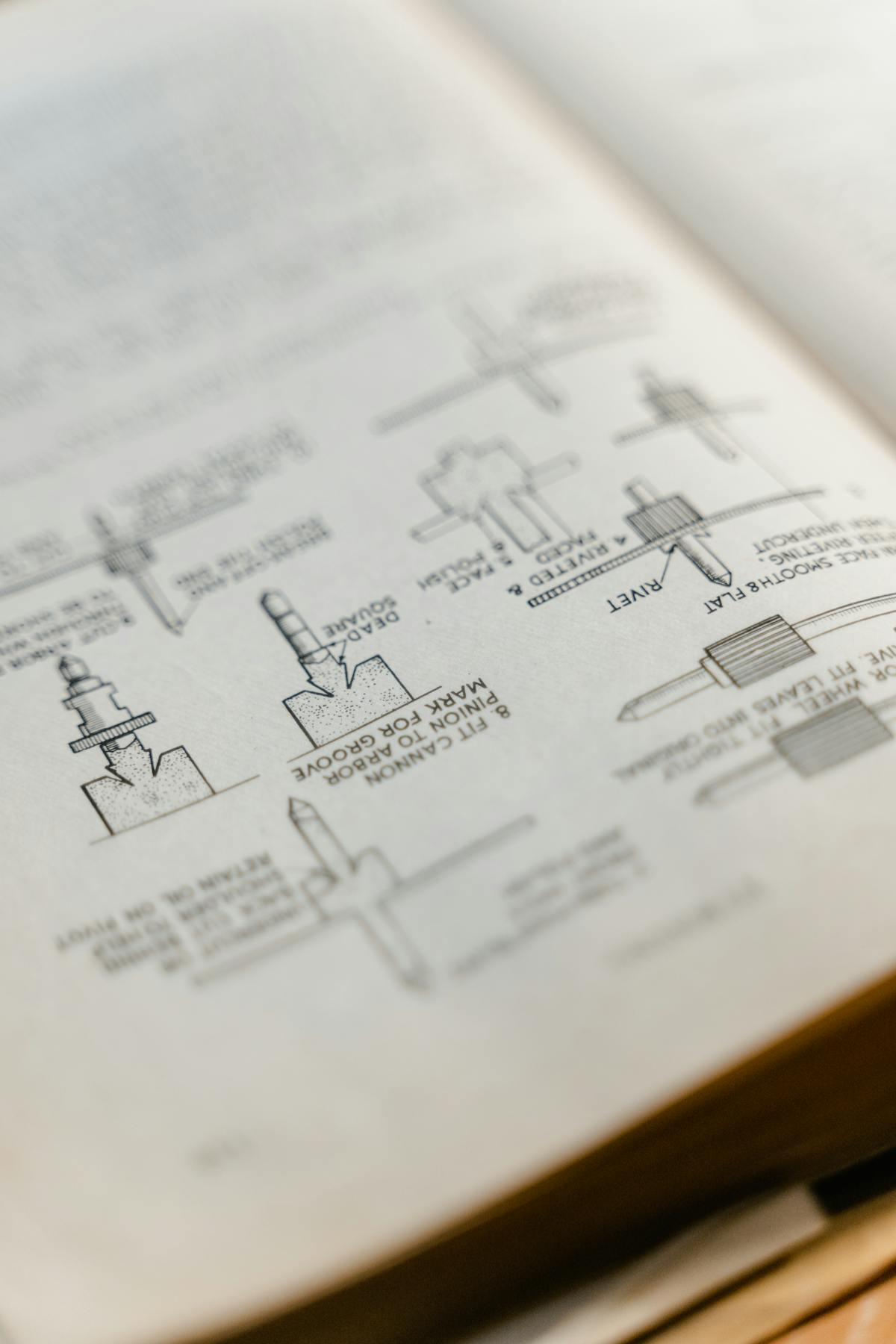
Use these examples to describe your job. Material, finish and format availability are confirmed in your quote.



What to include in your quote request.
| Property ↕ | Detail ↕ |
|---|---|
| Page count | Count all pages including covers and intentional blanks |
| Finished size | Provide the closed size and reading orientation |
| Binding preference | Describe how the booklet will be used and whether it must lie flat |
| Cover and paper | Specify a separate cover or the same paper throughout |
| File setup | Supply single pages in reading order; confirm layout for binding |
Industries & use cases.
What to know about booklet and program printing.
These planning notes explain common print choices. Confirm the materials, dimensions and finishing available for your job with the shop.
Saddle-stitch, perfect bind or coil
Saddle-stitching folds nested sheets and staples through the spine. It is the cheapest binding, it lies reasonably flat, and it caps out somewhere around 64 pages depending on stock weight. Because the sheets nest, the page count has to be a multiple of four.
Perfect binding glues the pages into a squared spine and starts being practical from around 40 pages. It gives you a printable spine, which matters for anything going on a shelf. Coil and wire-o binding punch and thread the pages so the book opens completely flat, which is why training manuals and workbooks use it.
Page count, creep and imposition
A saddle-stitched booklet has an inherent quirk called creep. The inner sheets sit further from the fold than the outer ones, so once trimmed, the inner pages are fractionally narrower. On a thick booklet, page numbers or a border sitting close to the outer edge will visibly drift.
The fix is margin discipline rather than anything at the press: keep live content well inside the trim, and supply the file as single pages in reading order rather than pre-imposed as spreads. The shop imposes the file for the binding method it is actually being run on.
Covers, self-covers and short runs
A self-cover booklet uses the same stock throughout, which is cheaper and lighter and is common for a one-night event program. A separate cover on heavier stock is more durable and is worth it for anything a person keeps.
Short runs are normal in this category. A conference that expects 120 attendees does not want 500 booklets. Digital printing makes low quantities practical and also makes it possible to change a name or a session between runs, which matters when a speaker drops out the week of the show.
Where booklets fit against conference and convention work
If the booklet is part of a conference package with badges, signage and handouts, the whole set is usually quoted through conference printing. Trade-show and exhibitor work sits under convention printing.
For unbound hand-outs, folded brochures and single-sheet flyers, see flyers and brochures. Numbered multi-part paperwork such as banquet event orders is on the business form printing page.
Examples and print options
Illustrative images include product photography and mockups. They show print ideas, not a dated portfolio of completed client jobs.
“Thank you Valley Press for the outstanding customer service!
Often ordered alongside.
Three fields. One screen. Send your request.
The shop will review the specifications and deadline during business hours, then confirm options and timing.