Flyer and Brochure Printing.
Give your message the right printed format: a single-sheet flyer, folded brochure, postcard or rack card. Tell us how it will be handed out, displayed or mailed, along with the finished size, quantity and number of versions. The shop will review paper and fold options with your artwork; coordinated multi-product campaigns belong under Marketing Materials.
Request a quote. The shop will confirm options and timing.
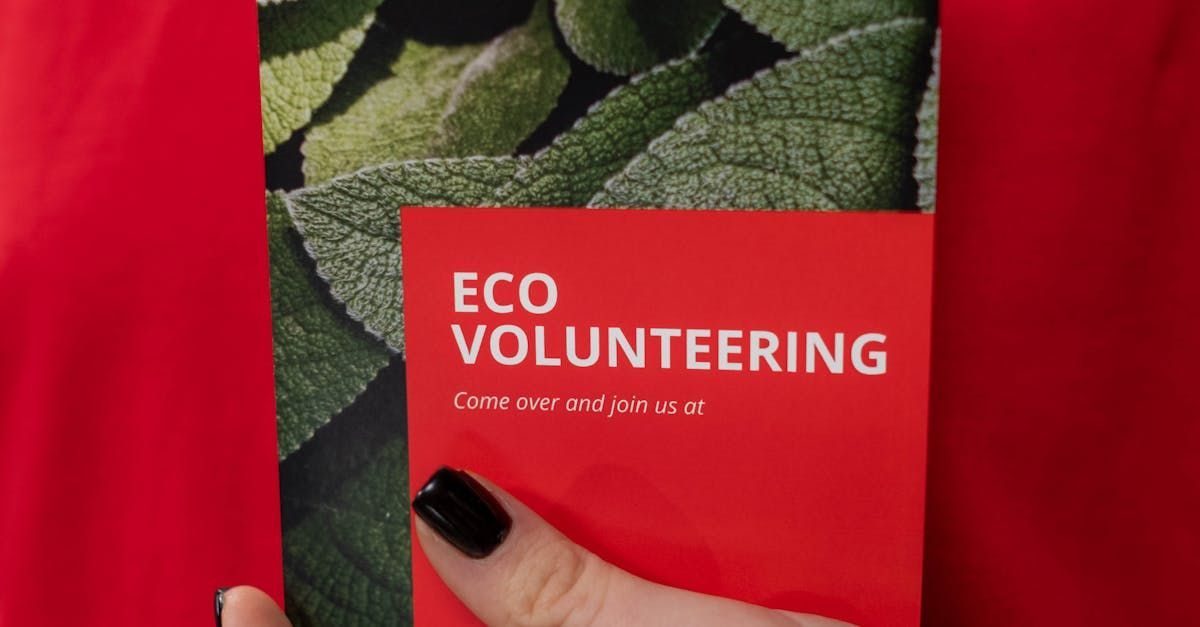
Products and options to discuss.
Use these examples to describe your job. Material, finish and format availability are confirmed in your quote.
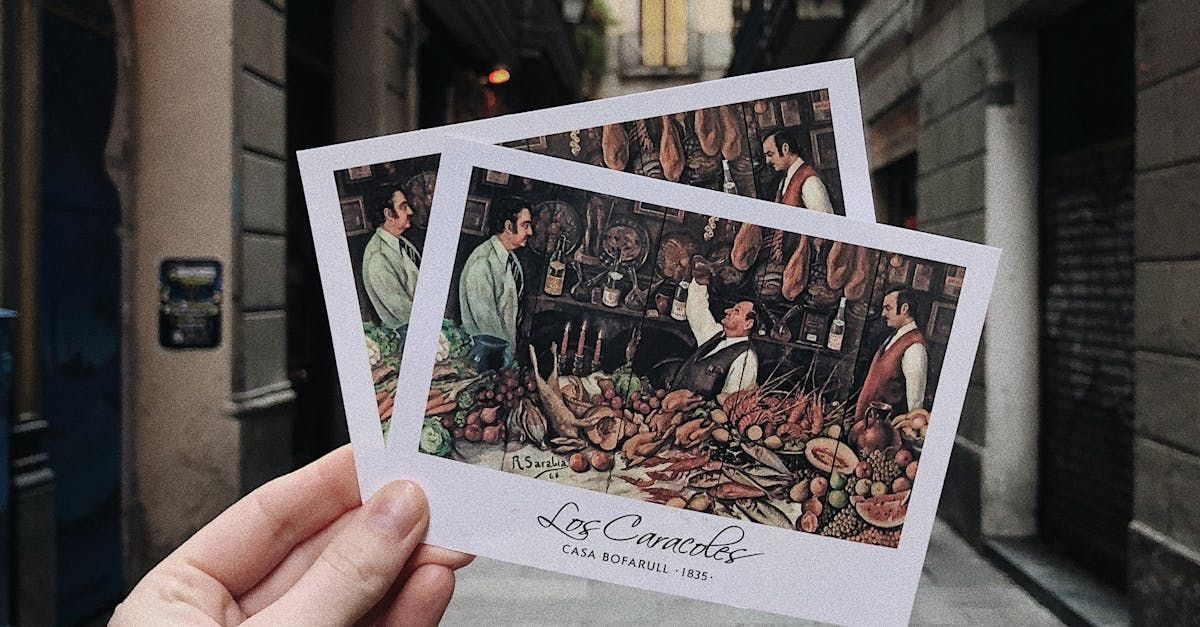
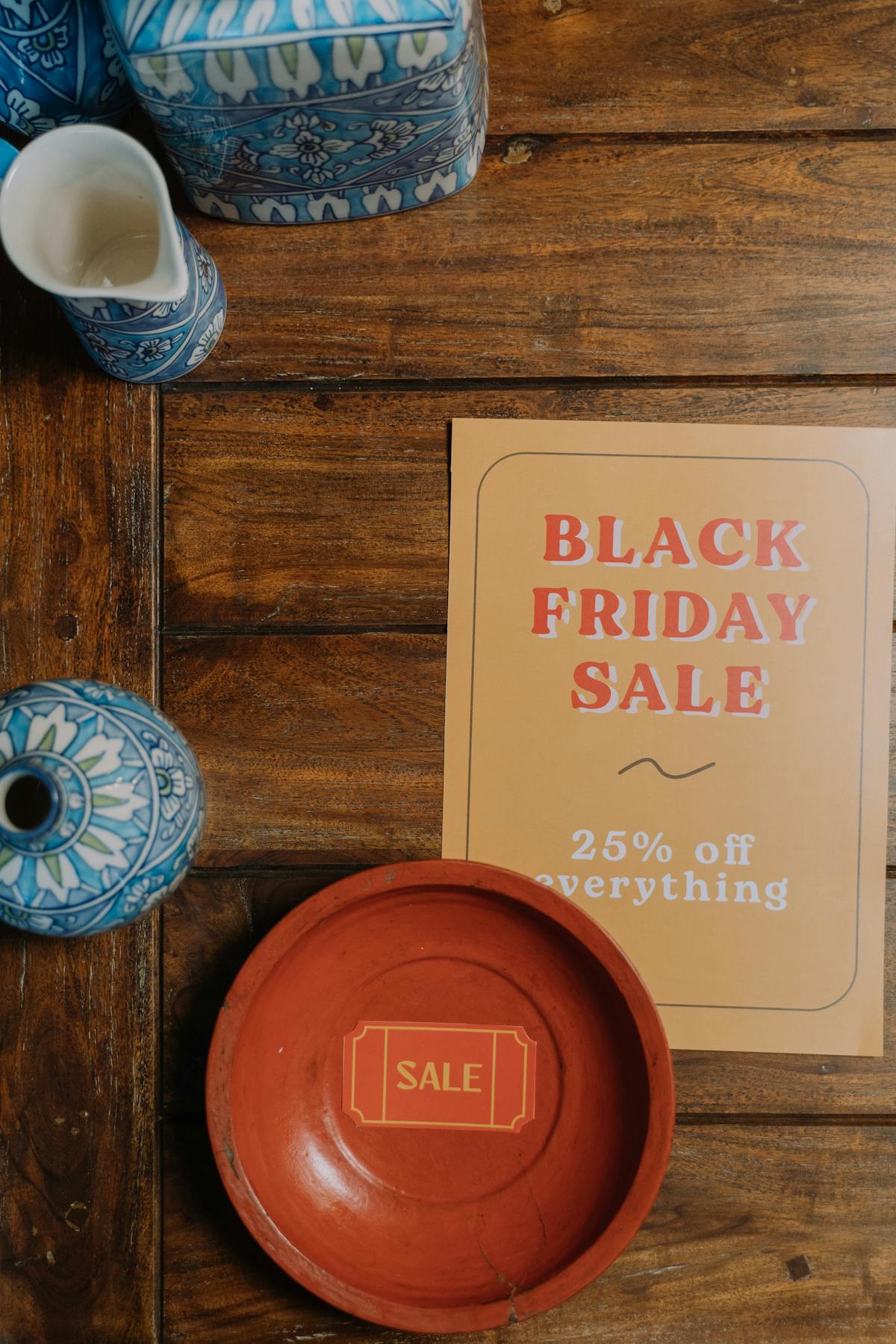



What to include in your quote request.
| Property ↕ | Detail ↕ |
|---|---|
| Format | Flyer, brochure, postcard or rack card; specify finished size |
| Fold | Describe panel order and ask for the appropriate artwork layout |
| Paper | Explain preferred feel, writing needs and display use |
| Mailing | Confirm postal dimensions and addressing area before design |
| Quantity | List totals by version and the required in-hand date |
Industries & use cases.
What to know about flyer and brochure printing.
These planning notes explain common print choices. Confirm the materials, dimensions and finishing available for your job with the shop.
Picking a fold that suits the content
A tri-fold, properly a letter fold, gives you six panels and is the default for a service overview. A bi-fold gives four larger panels and suits anything image-led. A Z-fold reads as a sequence rather than as a cover and an inside, which works when there are steps or a timeline. A gate fold opens from both sides onto a single wide panel and is the one people remember.
Panels on a folded piece are not all the same width. The panel that tucks inside has to be a few millimetres narrower or the fold bulges and will not sit flat. Build the artwork against a folding template rather than dividing the sheet into equal thirds.
Stock weight, scoring and cracked folds
Flyers on 100# gloss text fold without any help. Once you move to cover weight, roughly 80# cover and above, the sheet needs scoring first: a crease is pressed into the stock along the fold line so the fibres bend rather than break.
Skipping the score on a heavy coated stock is how you get a white line down the middle of a dark fold. Digital toner is more prone to this than offset ink. If a piece is folding through a solid dark area, say so when you send the file and the shop will plan the score accordingly.
Mailing formats and postcard sizing
Postcards that are going through the mail have size and thickness rules attached to their postage rate, and EDDM saturation mailers have their own dimensional limits. Those are postal requirements rather than press requirements, so confirm the format you intend to mail at before the job is built.
Leave the address side clear where the carrier route information and the indicia need to sit. If you are printing a card that doubles as a hand-out and a mailer, it is usually cheaper to print one version with the address panel than to run two.
Where this sits in the marketing set
This page covers the hand-out formats. The wider campaign category, including posters, door hangers, newsletters and branded collateral quoted as a set, sits under marketing materials.
For anything bound rather than folded, such as an event programme, a catalogue or a conference booklet, see booklets and programs. For the cards that go in the same pocket as the flyer, see business card printing.
Examples and print options
Illustrative images include product photography and mockups. They show print ideas, not a dated portfolio of completed client jobs.
“Thank you Valley Press for the outstanding customer service!
Often ordered alongside.
Three fields. One screen. Send your request.
The shop will review the specifications and deadline during business hours, then confirm options and timing.