Banner and Sign Printing.
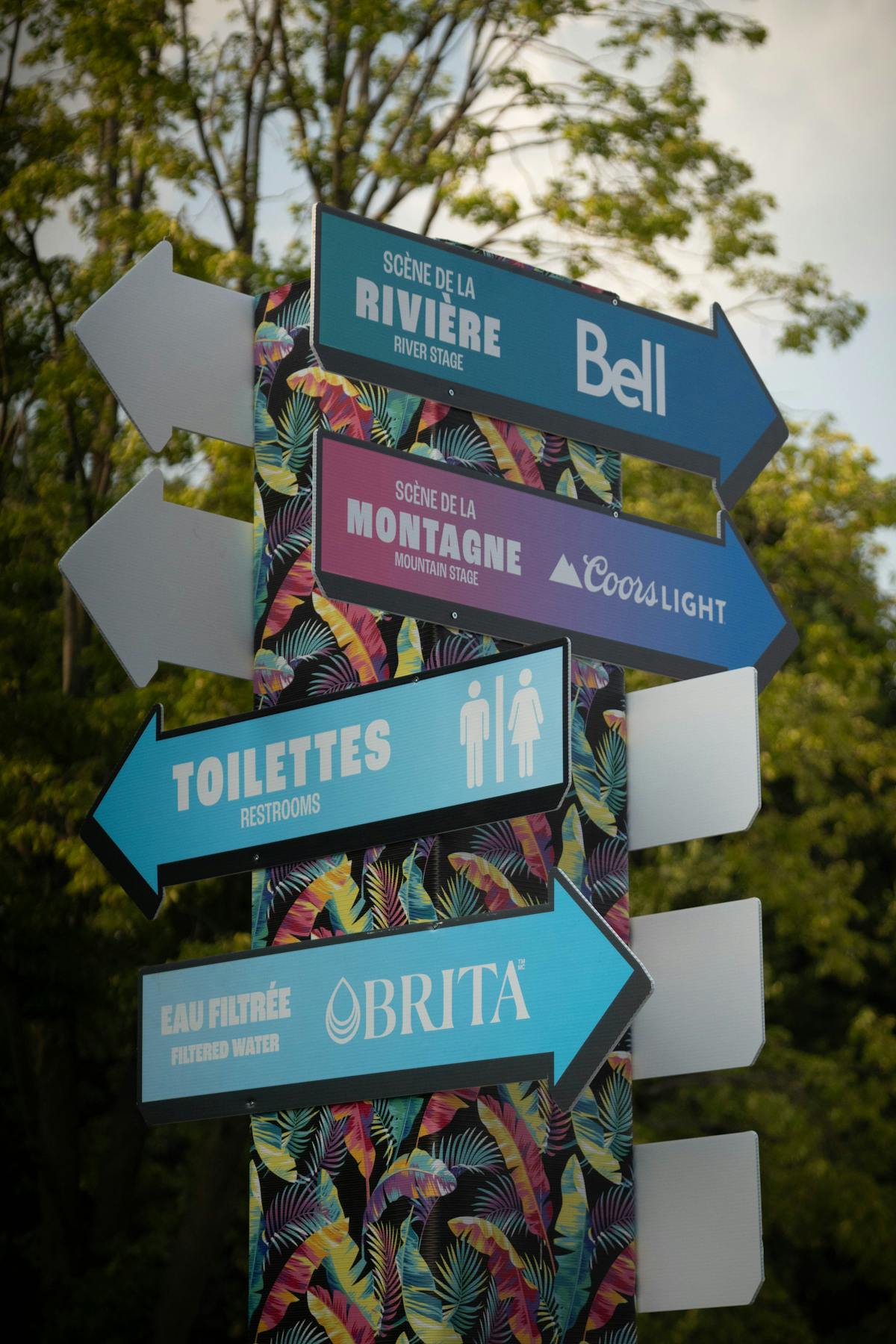
Quote the sign itself: finished size, message, location and how it needs to hang or stand. Banners, retractable displays, yard signs, rigid signs and window graphics have different material and fitting requirements. Send photos of the installation area and details of existing hardware so the shop can confirm an appropriate specification.
Request a quote. The shop will confirm options and timing.
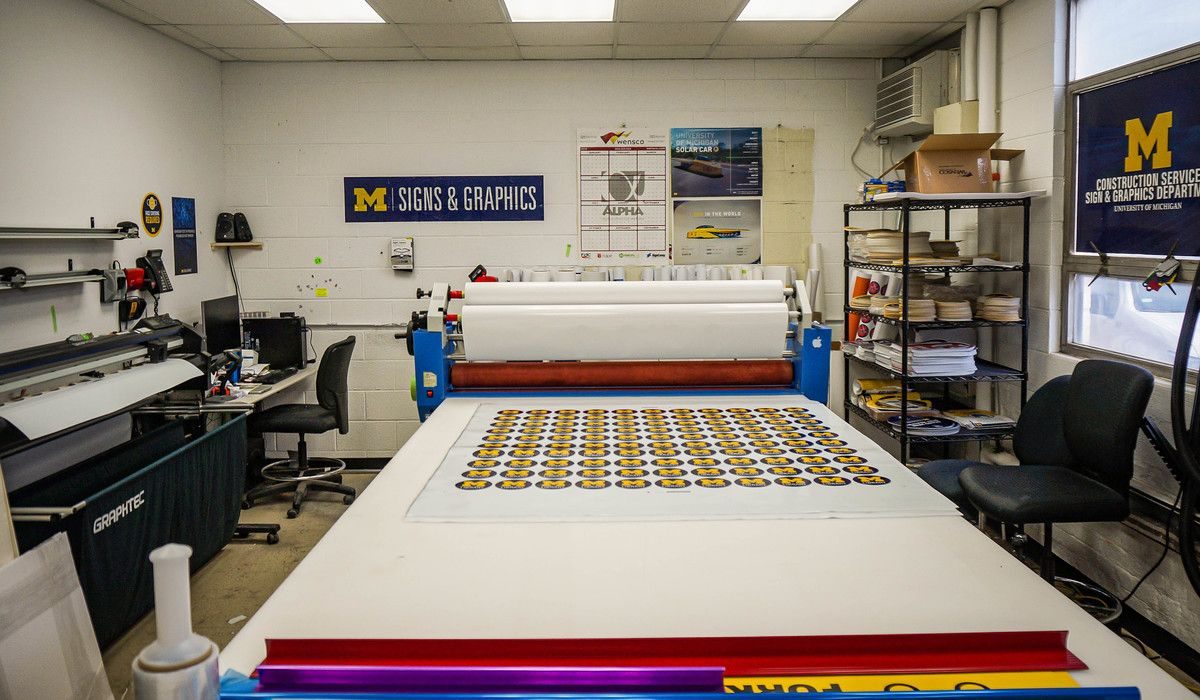
Products and options to discuss.
Use these examples to describe your job. Material, finish and format availability are confirmed in your quote.
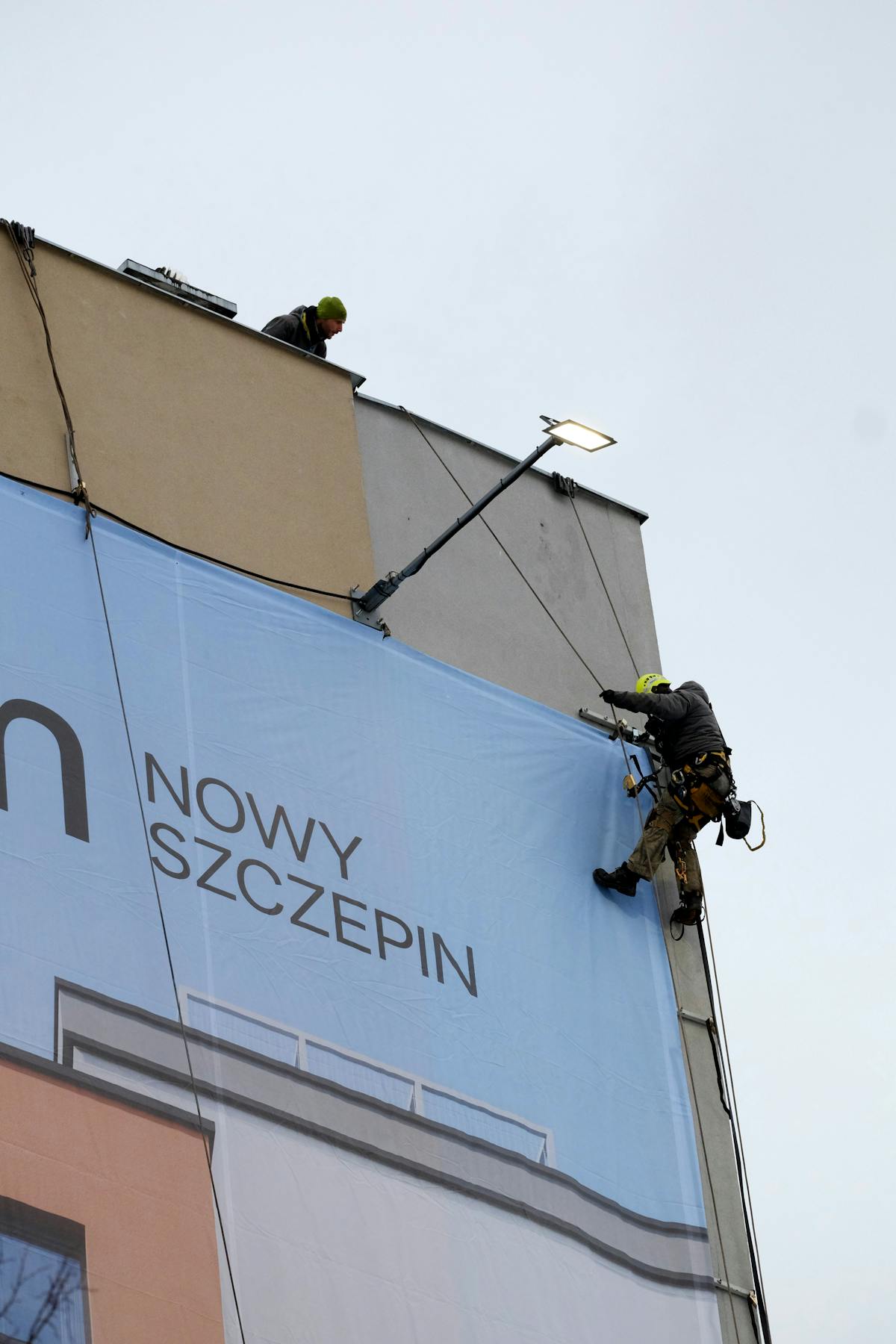
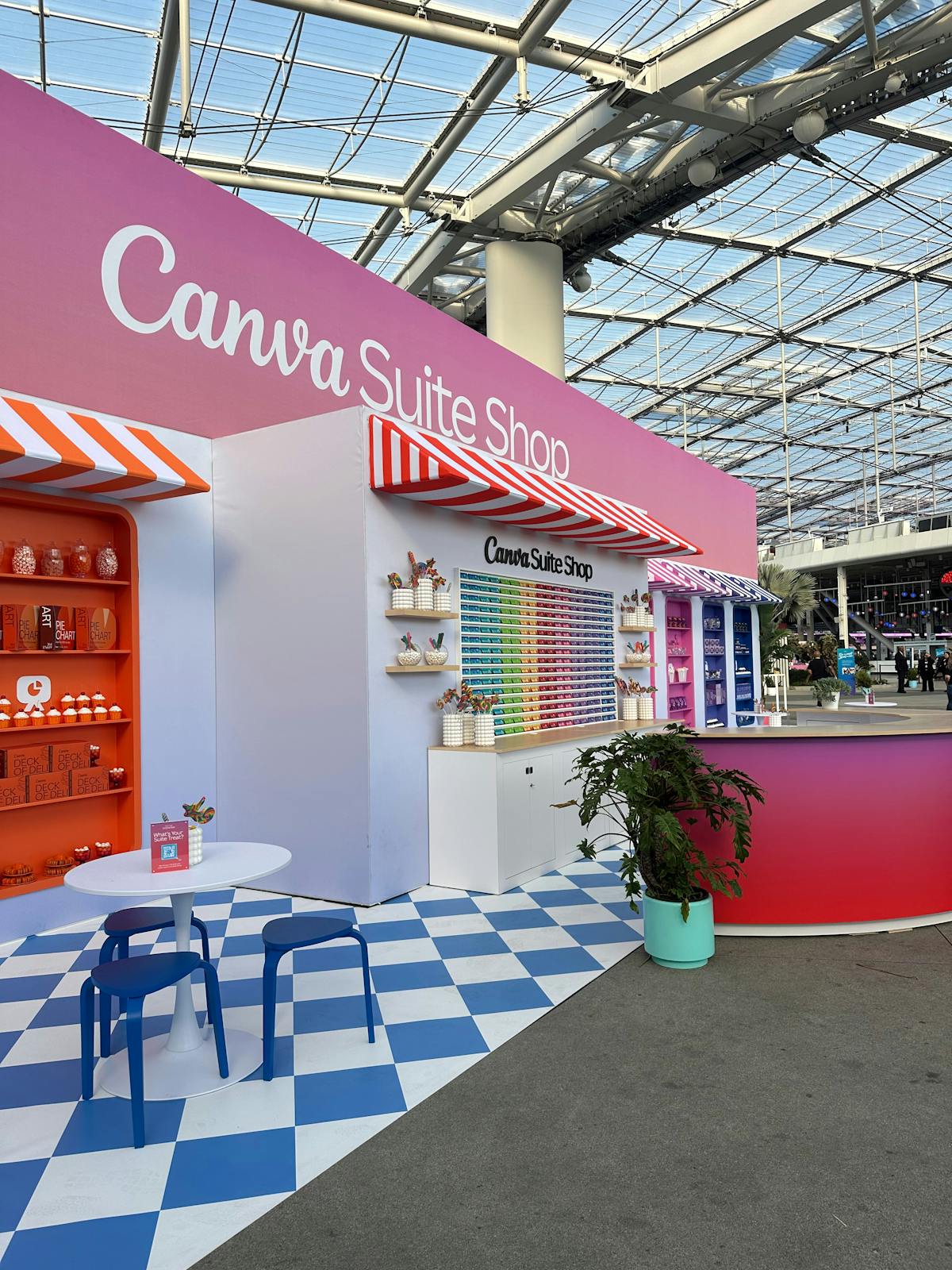
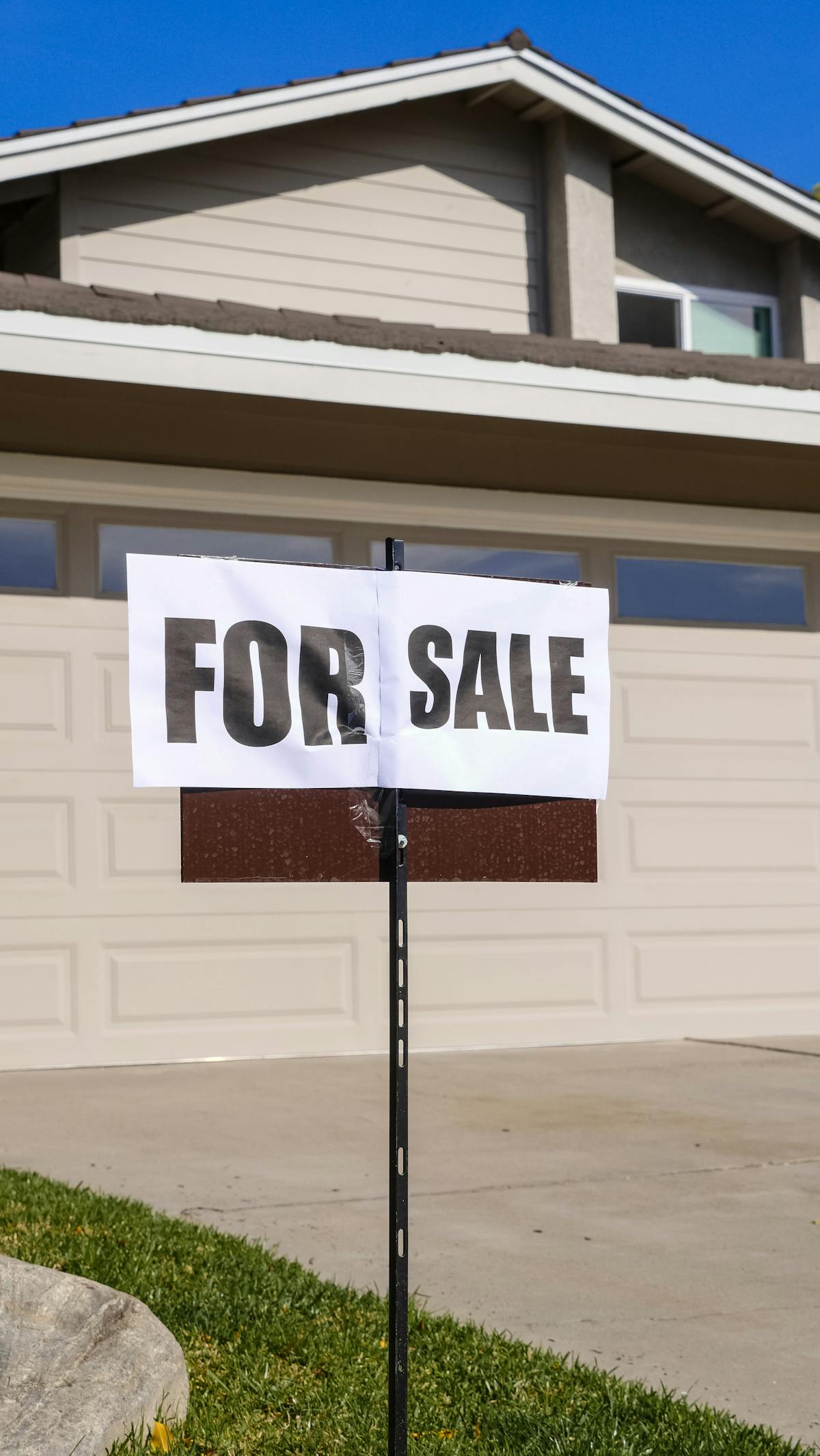
What to include in your quote request.
| Property ↕ | Detail ↕ |
|---|---|
| Product and size | Identify each banner or sign and its finished dimensions |
| Location | Describe indoor or outdoor conditions and expected use |
| Installation | Show the mounting surface or the stand you already have |
| Finishing request | Ask about hems, grommets, pockets, mounting or hardware |
| Artwork | Confirm visible area and finishing allowances before file setup |
Industries & use cases.
What to know about banner and sign printing.
These planning notes explain common print choices. Confirm the materials, dimensions and finishing available for your job with the shop.
Vinyl banners: weight, hem and grommets
A banner is three decisions: material, hem and hanging. 13oz scrim vinyl is the everyday weight and is what most quoted banners are printed on. 18oz is heavier and holds its shape better on a long span. Mesh is perforated so wind passes through it, which is the usual answer for a fence or a construction barricade.
A welded hem folds and seals the edge so the grommets have something solid to bite into. Without one, grommets tear out of the face material the first time the wind gets under it. Tell us how the banner will be supported and whether the position is exposed so that fitting options can be reviewed.
Rigid signs, yard signs and window graphics
Yard signs are printed on 4mm corrugated plastic and slide onto a wire H-stake. Double-sided is the default request for anything on a corner, since half the traffic sees the back. Foamcore and PVC board are the indoor equivalents: lighter, cleaner edge, and they take an easel back or hang flat on a wall.
Window graphics split three ways. Perforated one-way vision material lets people inside see out while the artwork reads from the street. Static cling has no adhesive and comes off without residue, which suits anything seasonal. Adhesive vinyl is the most permanent and the most opaque.
Sizing artwork for large output
Build large artwork in vector wherever you can, and where you cannot, supply raster at roughly 150 dpi at the final printed size rather than at 300 dpi on a small canvas scaled up. A file that looks sharp at 8 inches will not hold at 8 feet.
Use the allowance specified for the hem or other finishing. Keep important content clear of folds, pockets and fittings, following the template for the actual banner. The artwork guidelines page has the full list.
Where banners fit against the rest of the shop
Anything printed at width on a roll or a flatbed sits under large format printing, which is the broader category this page carves out of. Vehicle graphics, floor decals and the wider substrate list live there.
If the banner is part of a booth package, quote it with the rest of the show: booth backwalls, badges and handouts are handled under convention printing. For a poster, a canvas or a photo enlargement rather than a banner, see posters and canvas.
Examples and print options
Illustrative images include product photography and mockups. They show print ideas, not a dated portfolio of completed client jobs.
“Thank you Valley Press for the outstanding customer service!
Three fields. One screen. Send your request.
The shop will review the specifications and deadline during business hours, then confirm options and timing.