Poster and Canvas Printing.
Plan a print for a wall, frame or display board. Posters, canvas prints and photo enlargements depend on the original image, finished dimensions and viewing distance. Send your artwork and tell us whether the piece will be framed, mounted, pinned or displayed as canvas. The shop will confirm material and presentation options for the image and setting.
Request a quote. The shop will confirm options and timing.
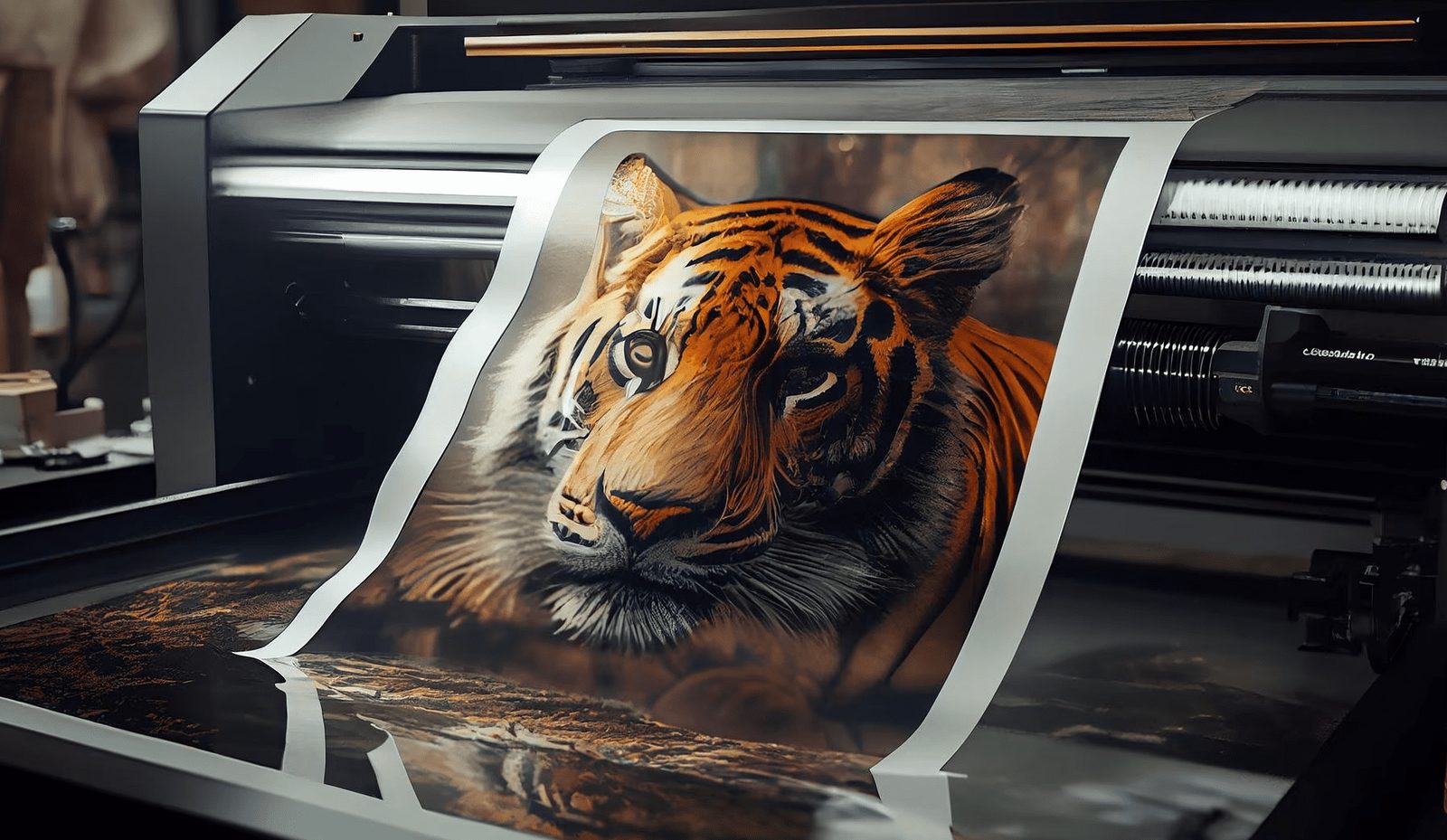
Products and options to discuss.
Use these examples to describe your job. Material, finish and format availability are confirmed in your quote.
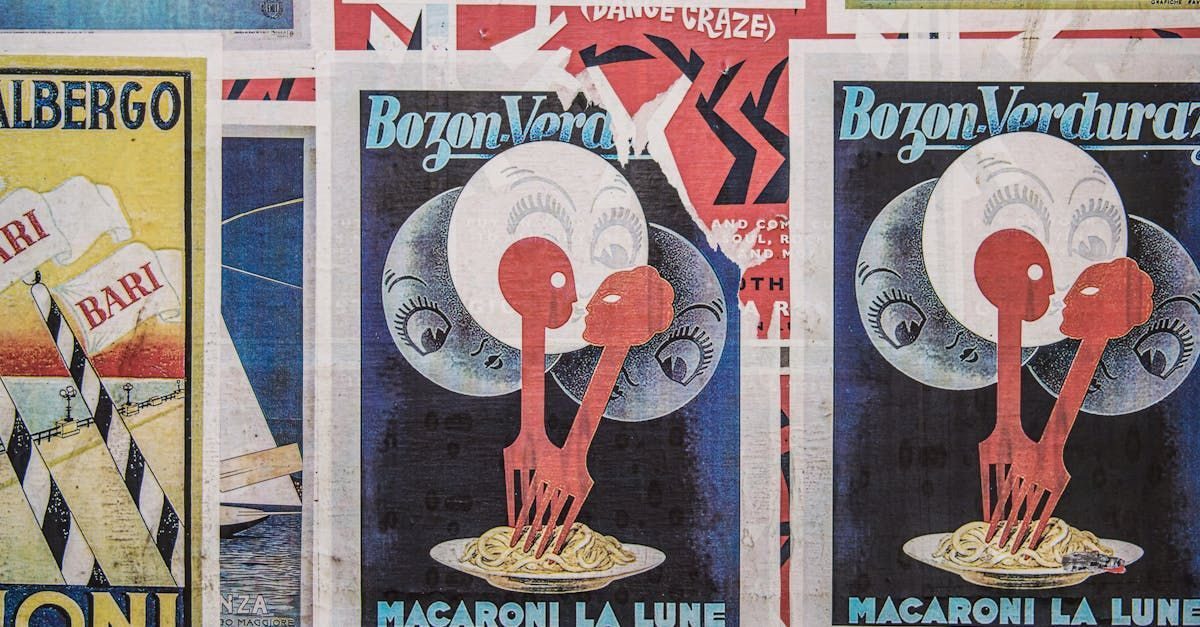

What to include in your quote request.
| Property ↕ | Detail ↕ |
|---|---|
| Image file | Supply the highest-resolution original available |
| Dimensions | Give finished size and intended viewing distance |
| Presentation | Specify frame, mounting, pin-up or canvas preference |
| Setting | Describe lighting, indoor or outdoor use and display duration |
| Colour review | Flag artwork or colours that need a physical proof discussion |
Industries & use cases.
What to know about poster and canvas printing.
These planning notes explain common print choices. Confirm the materials, dimensions and finishing available for your job with the shop.
Poster stock and where the poster is going
An event poster taped in a window and a framed print hung in a lobby want different paper. Matte poster stock has no glare and photographs well under room lighting, which is why it is the usual pick for anything behind glass or under a spotlight. Gloss is more saturated and reads better at a distance in a busy space.
Photo paper is a different substrate again, coated to hold a much wider tonal range, and it is the right answer for portraits and anything where skin tone or a gradient has to stay smooth. If the poster is going to be handled or pinned repeatedly, a heavier cover stock outlasts standard poster paper.
Canvas, rolled or stretched
Canvas prints come off the press flat and can be delivered rolled for you to stretch or frame, or stretched over wooden bars ready to hang. If you want it stretched, the image needs extra material on every edge to wrap around the bar, usually an inch and a half to two inches, and anything inside that margin disappears around the side.
That is worth planning at the design stage. Either extend the background into the wrap area deliberately, or accept a mirrored edge where the border is generated from the image. Text and faces close to the edge are the usual casualty of a gallery wrap.
Resolution: the one thing that cannot be fixed at the press
A poster is viewed from further away than a brochure, so it tolerates lower resolution than a business card does. Somewhere between 150 and 300 dpi at the final printed size is the working range, and 150 dpi on a 24 x 36 is a genuinely large file.
What cannot be recovered is detail that was never captured. Upscaling a small web image to poster size produces soft edges and blocky gradients no matter what it is printed on. Send the largest original you have, straight from the camera or the design file, rather than an export sized for a screen.
Related formats
Anything printed wider than a poster, on a roll or on rigid board at scale, is quoted under large format printing. Hemmed and grommeted banners and yard signs are on the banners and signs page.
If posters are part of a campaign that also includes flyers and brochures, it is usually simpler to quote the whole set at once through marketing materials.
Examples and print options
Illustrative images include product photography and mockups. They show print ideas, not a dated portfolio of completed client jobs.
“Thank you Valley Press for the outstanding customer service!
Three fields. One screen. Send your request.
The shop will review the specifications and deadline during business hours, then confirm options and timing.