Large Format Printing.
Large format covers graphics that go onto a surface or span a space: windows, walls, vehicles, floors, columns and backdrops. Tell us what the graphic is going onto, the finished dimensions, how far away people will read it and how long it has to stay up. We will review suitable materials, finishing and artwork for the application. Single banners and yard signs are quoted on Banners and Signs; posters and canvas on Posters and Canvas.
Request a quote. The shop will confirm options and timing.
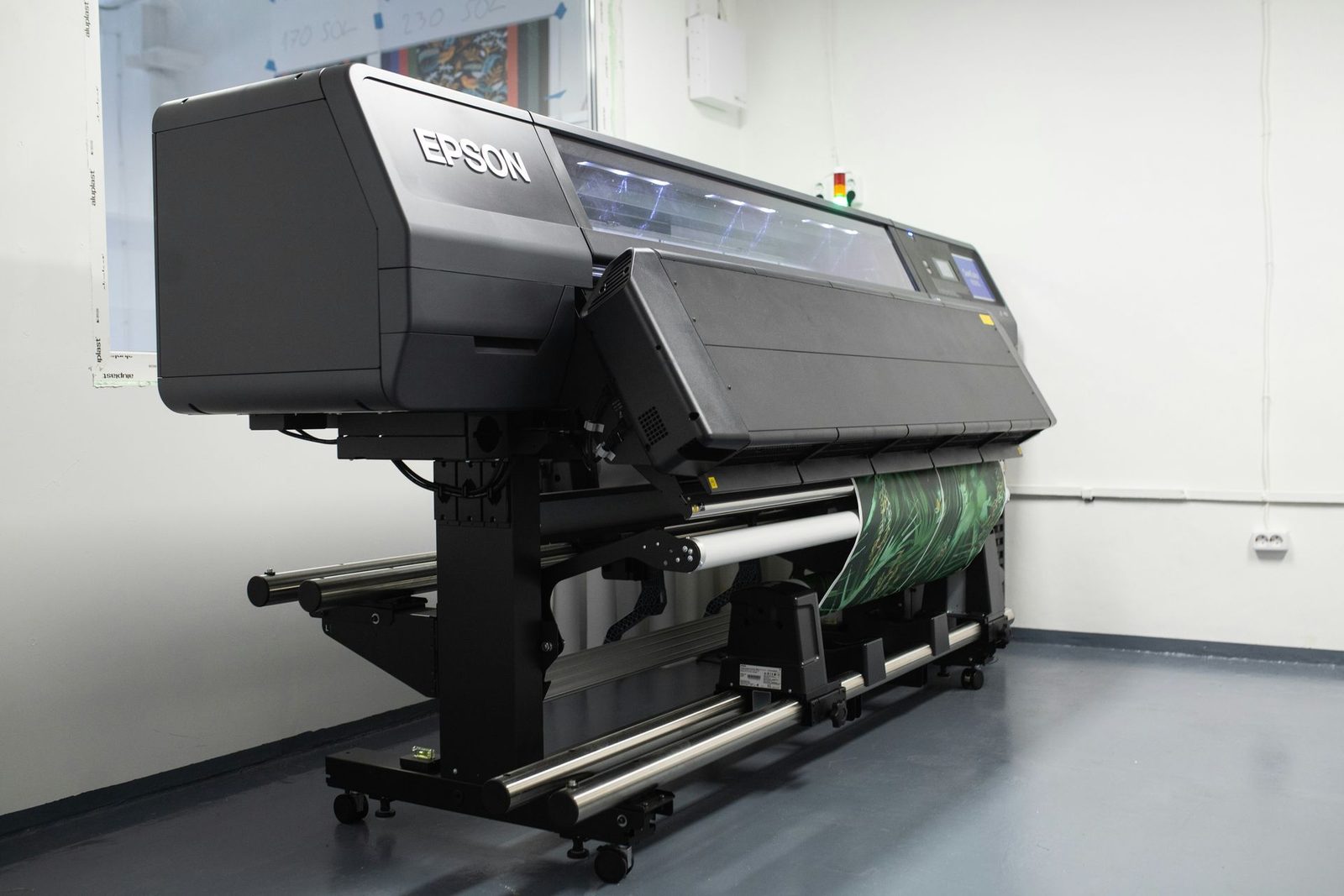
Products and options to discuss.
Use these examples to describe your job. Material, finish and format availability are confirmed in your quote.
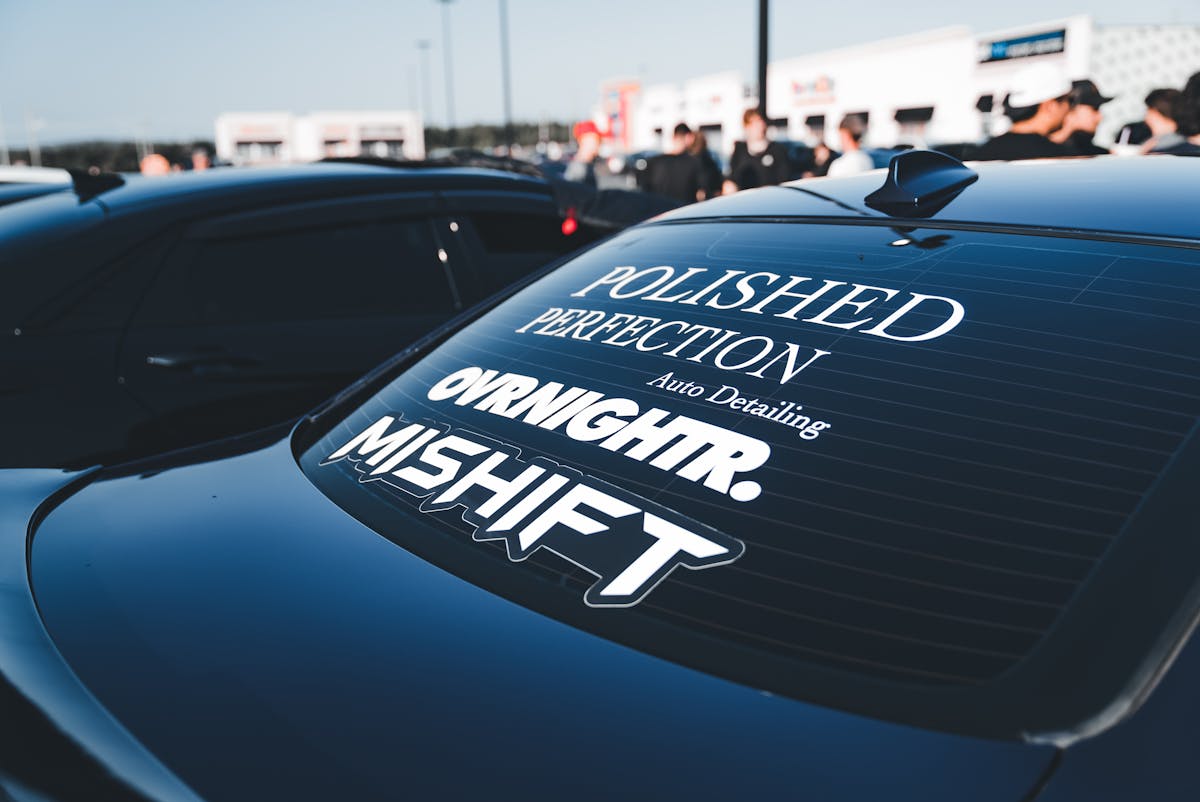
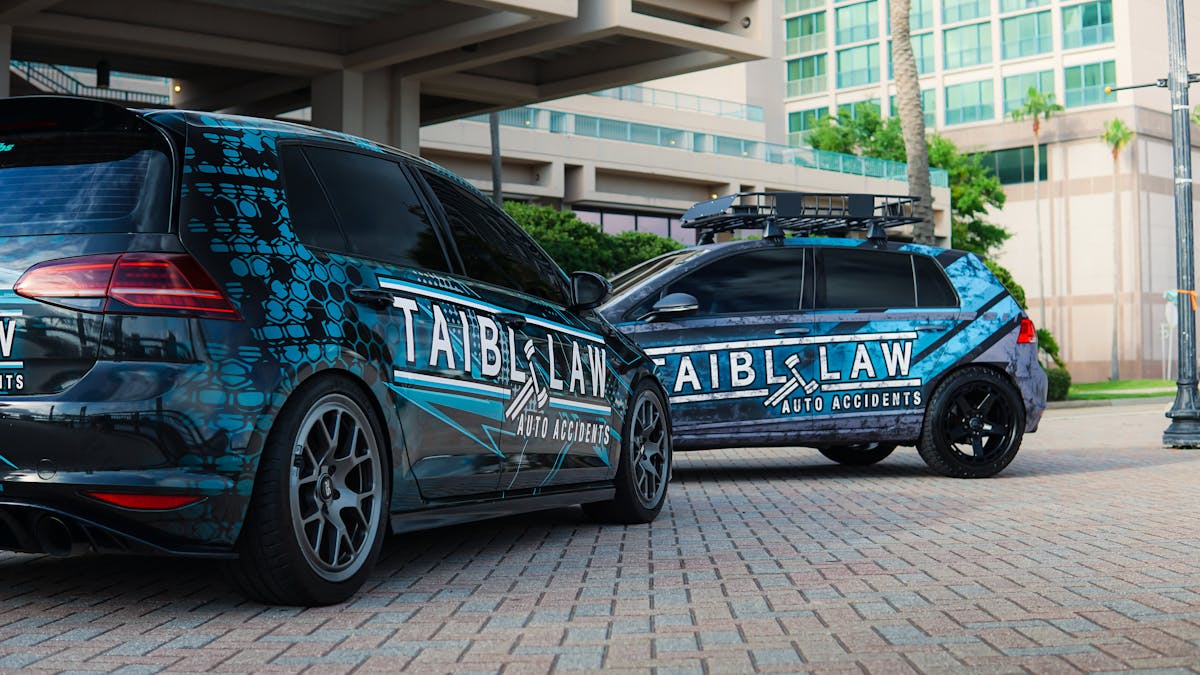
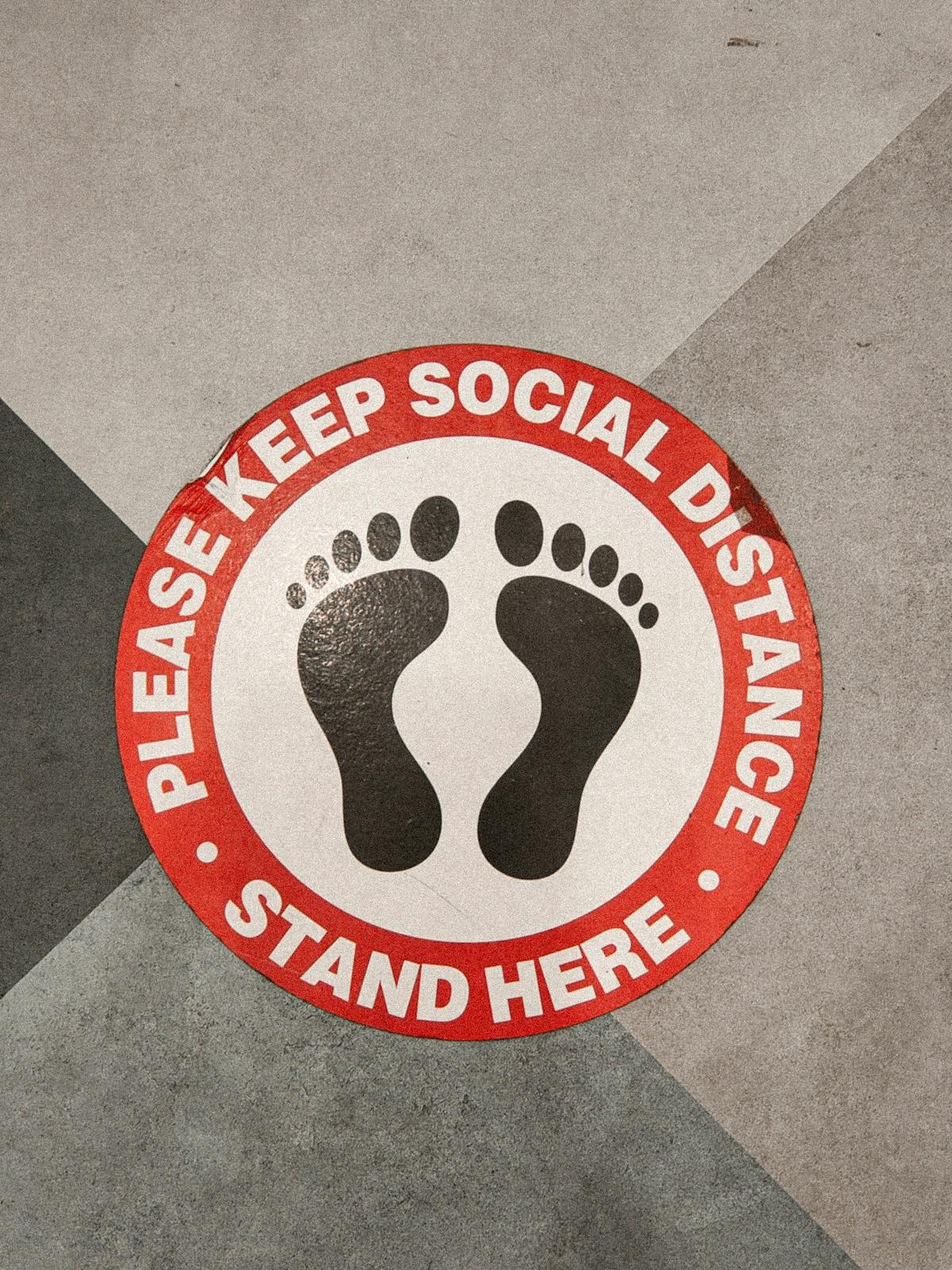
What to include in your quote request.
| Property ↕ | Detail ↕ |
|---|---|
| Surface | Glass, painted wall, vehicle panel, floor, column or a frame |
| Finished dimensions | Supply width, height and the visible area of the graphic |
| Viewing distance | Across a room, from the street or up close at a table |
| Duration | One event, one season or long term; say if it must come off cleanly |
| Finishing | Ask about laminate, hems, pockets or mounting before ordering |
| Artwork | Send vector artwork or a file sized for the finished output |
Industries & use cases.
What to know about large format printing.
These planning notes explain common print choices. Confirm the materials, dimensions and finishing available for your job with the shop.
What counts as large format
Large format is defined by the machine rather than by the product. Anything too wide to run through a sheet press gets printed on a roll or on a flatbed instead, which is why one category can cover a storefront window, a van door, a lobby column and a stage backdrop at the same time.
This page is for graphics defined by the surface they go onto. For a single banner, a retractable or a yard sign on a stake, banner and sign printing has the material and hardware detail. Posters, canvas and photo enlargements are on posters and canvas.
Substrate is the first question, not the last
The single most useful thing you can tell the shop is where the piece is going and how long it needs to stay there. A graphic for one evening indoors, a storefront window for a season, and something on a fence in July are three different material choices before anybody looks at the artwork.
Adhesive behaves differently on glass, painted drywall and a vehicle panel. Rigid board comes in weights that suit an easel and weights that suit being screwed to a post. Say what it is mounting to and the substrate question usually answers itself.
Windows, walls, vehicles and floors
Windows: say whether the graphic goes on the inside or the outside face of the glass, and whether the view through it matters. A graphic applied inside and read from the street has to be printed for that, so the shop needs to know before artwork is set up.
Walls: tell us what the wall is and when it was last painted. Fresh paint needs time to cure before anything adhesive goes on it, and textured block or brick behaves very differently from smooth drywall. If the space is leased, say so, because a clean removal changes the material choice.
Vehicles: send the year, make and model and a photo of every side. Door handles, fuel doors, rivets and deep curves decide where copy can sit, and the artwork has to be built to that vehicle rather than to a generic outline.
Floors: describe the surface (sealed concrete, tile, wood or carpet), the foot traffic and how long the graphic stays down, and ask about a slip-resistant laminate for anything people will walk on.
Measure the visible area, not the object
Most large-format reprints trace back to a measurement. For a window, measure the glass inside the frame, not the frame. For a column, run a tape around it at more than one height, since columns are rarely perfectly even, and note any seams, outlets or fixtures the wrap has to clear. For a backdrop, give the size of the frame or stand it hangs on and the area that actually shows on camera.
When in doubt, send a photo with a tape measure in the shot. It answers most of the questions the shop would otherwise have to ask.
Preparing artwork at scale
Build in vector where you can. Where the artwork has to be raster, supply it at roughly 150 dpi at final size rather than upscaling a small file. Keep live content well inside the trim, and add generous bleed on anything that will be hemmed, wrapped or pole-pocketed, because that material folds away from the visible face.
File formats, colour and resolution are covered on the artwork and file guidelines page, the large format file prep guide walks through bleed and resolution checks, and you can ask the shop to review the file at the intended output size.
Large format for shows and events
A large share of wide-format work in Las Vegas is show work. Booth backwalls, hanging signs, table throws and exhibitor graphics are quoted with the rest of the package on the convention printing page, and session signage for conferences is under conference printing.
If the piece is one item of a broader campaign that also includes flyers, brochures and mailers, it is usually simpler to quote the whole set through marketing materials.
Examples and print options
Illustrative images include product photography and mockups. They show print ideas, not a dated portfolio of completed client jobs.
“Thank you Valley Press for the outstanding customer service!
Three fields. One screen. Send your request.
The shop will review the specifications and deadline during business hours, then confirm options and timing.