Business Form Printing.
Make paperwork fit the way your team works. NCR carbonless forms, invoices, work orders, inspection sheets and service tags can be planned around who keeps each copy and how the records are filed. Send a sample, required part count, colour order, quantity and starting number. The shop will confirm the form construction, numbering and binding options for your job.
Request a quote. The shop will confirm options and timing.

Products and options to discuss.
Use these examples to describe your job. Material, finish and format availability are confirmed in your quote.






What to include in your quote request.
| Property ↕ | Detail ↕ |
|---|---|
| Form sample | Send a scan or physical sample with changes marked |
| Parts and copies | List who keeps each sheet and the required colour order |
| Size | Specify finished dimensions and any filing or equipment constraints |
| Numbering | State the starting number and whether copies share a number |
| Binding | Describe desk or field use; ask about pads, books and perforation |
| Reorder quantity | Give sets or books required, with sheets per book if relevant |
Industries & use cases.
What to know about business form printing.
These planning notes explain common print choices. Confirm the materials, dimensions and finishing available for your job with the shop.
NCR, carbonless and carbon-set: what the terms mean
NCR stands for no carbon required. The sheets themselves are coated so that pressure from a pen transfers the writing to the sheet below, with no loose carbon paper in between. It is what most people mean when they say carbonless forms, and it is what nearly every modern multi-part form is built from.
Carbon-set is the older method, with an interleaved carbon sheet doing the transfer. It still exists for specific applications but it is messier and largely superseded. If you are replacing an old form and are not sure which you have, send a sample and the shop will identify it.
Parts, colours and collation order
A multi-part form is described by how many sheets are in a set. Two-part gives you an original and one copy, three-part gives two copies, and four and five-part sets exist for jobs where several departments each keep a sheet.
The sheets are usually printed on different coloured stock so that everyone knows which copy is theirs at a glance. White, canary, pink and goldenrod is the conventional order. That order is worth fixing before printing, because it becomes a habit across a whole crew and is annoying to change later.
Numbering, perforation and binding
Sequential numbering is the reason a lot of forms exist at all. It can start at any value, which matters when you are continuing a series from a previous book rather than restarting at one. Ask about skip or duplicate numbering if your records require them, and supply an example of the sequence.
Forms are bound as padded sets, as wraparound books with a chipboard backer that slides behind the set you are writing on, or as loose padded sheets. Perforation lets a stub or a receipt tear away cleanly while the rest of the set stays in the book.
Replacing a form you already use
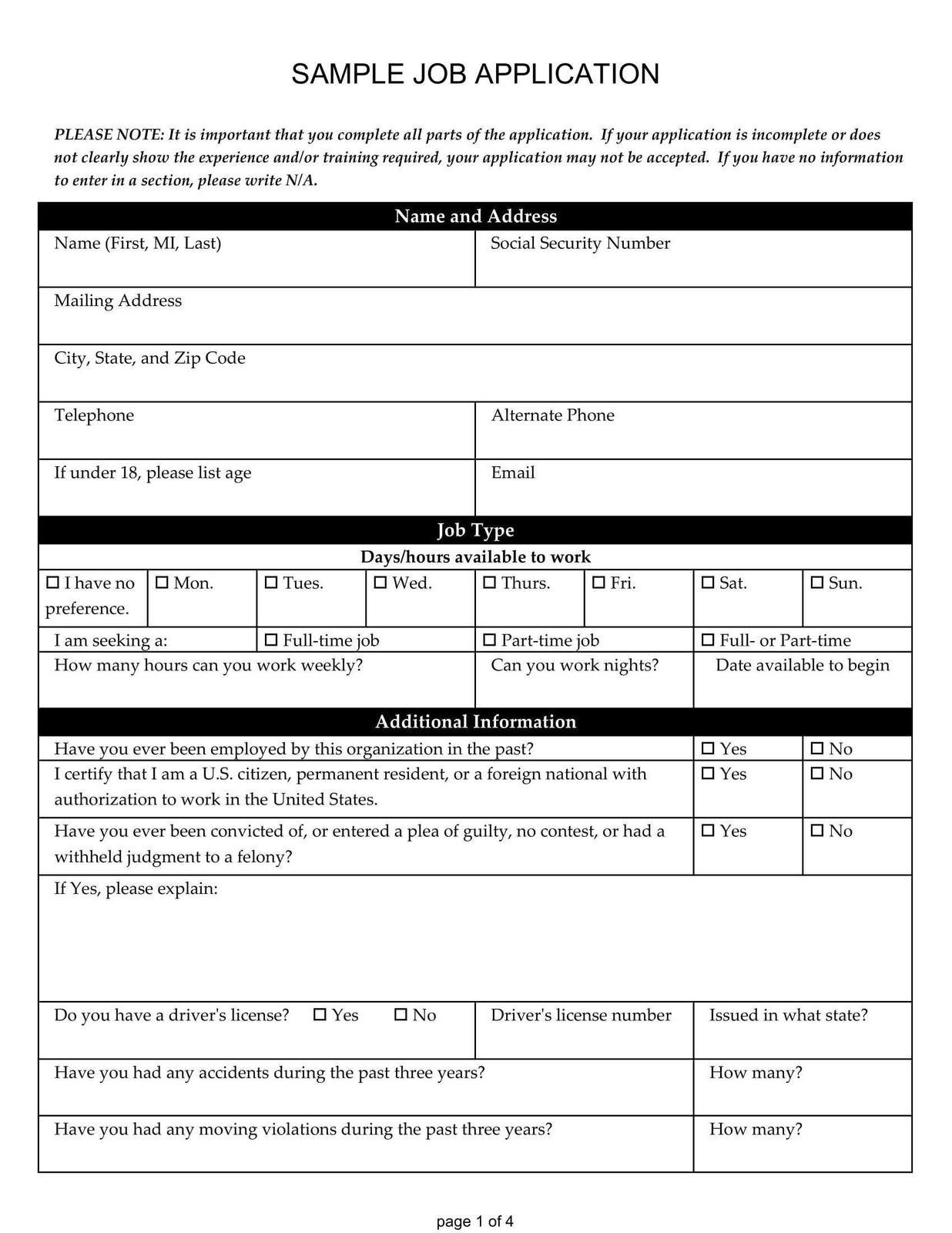
The easiest way to reorder is to send a scan or a physical sample of the current form along with the changes you want. Rebuilding from an existing sheet is routine and avoids re-specifying the layout from scratch.
Related everyday paperwork such as invoice books, continuous forms and wrap-around book forms is also listed under office supplies, and branded letterhead and envelopes are on business essentials. Bound manuals and tabbed operational handbooks sit under booklets and programs.
Examples and print options
Illustrative images include product photography and mockups. They show print ideas, not a dated portfolio of completed client jobs.
“Thank you Valley Press for the outstanding customer service!
Three fields. One screen. Send your request.
The shop will review the specifications and deadline during business hours, then confirm options and timing.